
|| अनंत काल से बहती आस्था ||
Simhastha Kumbh Mela 2027: A Journey of the Nashik Kumbh Mela
NASHIK KUMBH MELA : SIMHASTHA MAHAPARVA 2027
The Divine Convergence on the Banks of Godavari
The wait of 12 years is ending. The Nashik-Trimbakeshwar Simhastha is not just a gathering; it is a cosmic alignment that shakes the spiritual foundations of Bharat. This is the only Kumbh governed by the mighty Guru (Jupiter) entering Simha Rashi (Leo). It is believed that during this rare Yoga, the waters of the Goda-Mai (Mother Godavari) are charged with distinct cosmic energy, turning into Amrit. A single dip here during the Shahi Snan is said to wash away the Karma of a thousand lifetimes, granting Moksha (Liberation).
Unlike Prayag or Haridwar, this is a unique ‘Dual Kumbh’. The energy is split between two sacred power centers:
– Ramkund (Panchavati): The holy ground for the Vaishnava Akhadas, echoing with the chants of ‘Jai Shri Ram’.
– Kushavarta (Trimbakeshwar): The ancient seat of the Shaiva Akhadas, where the Naga Babas roar ‘Har Har Mahadev’.
Come, witness the Sanatan Dharma come alive on the banks of the Godavari.
Live Countdown for the Nashik Kumbh Mela 2027
Track the countdown for Simhastha Kumbh Mela Nashik 2027 with updates on Shahi Snan dates, rituals, and key events. Plan your visit to Nashik and experience this sacred spiritual gathering.
Important Bathing Date Of Nasik Kumbh 2027
Simhastha Kumbh Mela Dates
KUMBH NIRMAN & UPDATES KUMBH LIVE STATUS
🌤️ Weather Live Updates
Stay Informed. Stay Safe. Walk with Awareness.
Latest News & Updates
SAMPURN KUMBH DARSHAN
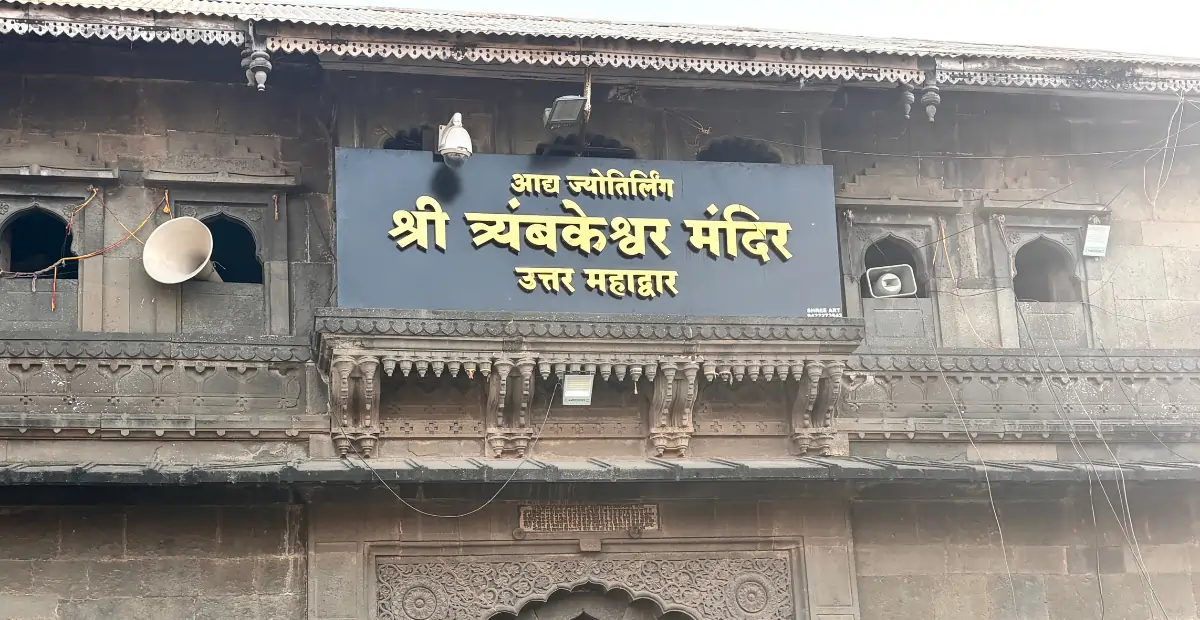
|| ॐ नमः पार्वती पतये, हर-हर महादेव ||
Shree Trimbak Jyotirlinga Temple
Dakshin Kashi (The Kashi of the South)
Home of the rare Tri-Mukhi Linga & Goda-Mai’s origin. The only Moksha-Sthan for Narayan Nagbali.
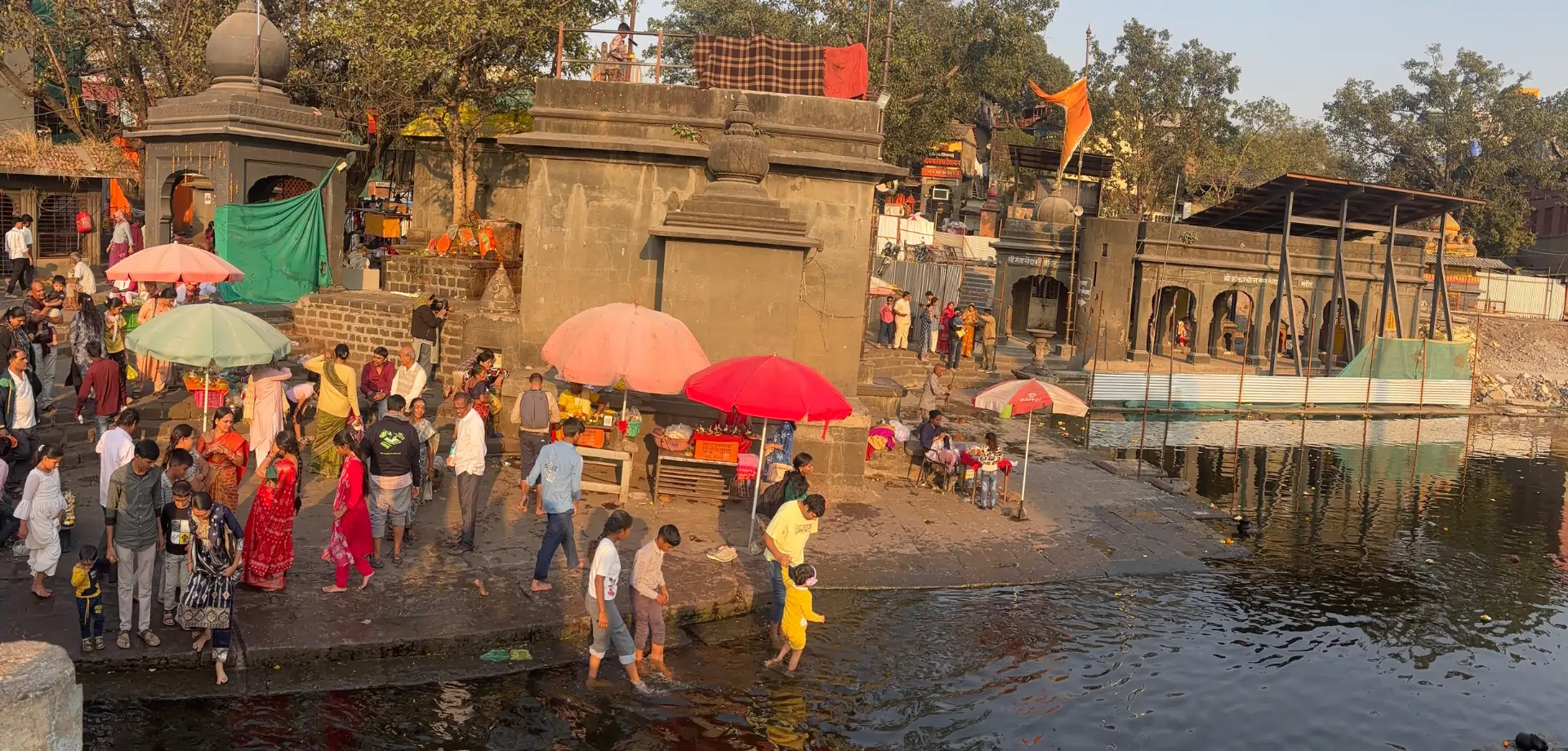
|| जय श्री राम ||
Panchavati & Ramkund
Prabhu Ramchandra Chi Tapobhoomi (The Meditation Land of Lord Rama)
Home to Rama, Sita & Lakshman during their Vanvas. The Janmasthan of Kumbh & the holy dip in Goda-Mai.
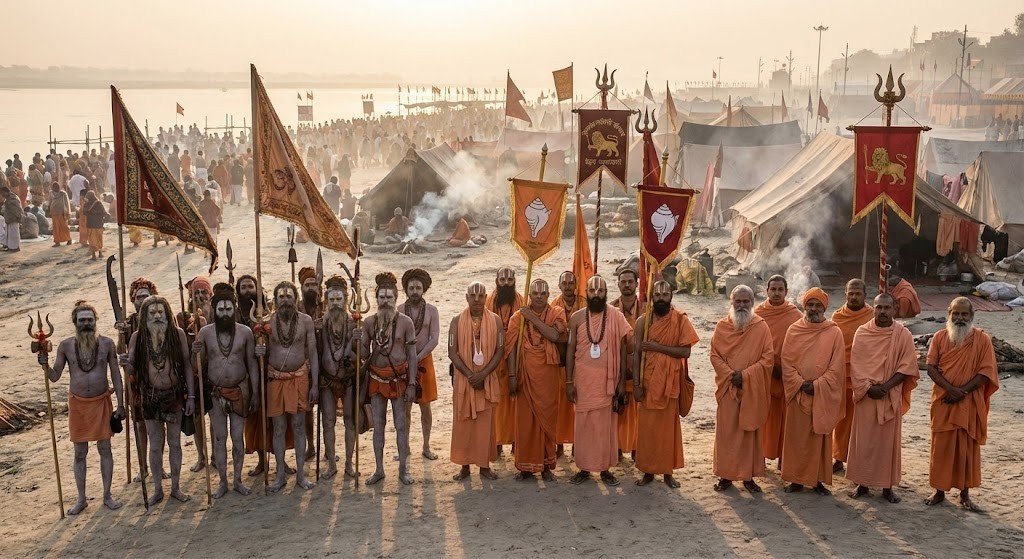
The 13 Akhadas
Sadhus (The Guardians)
Dharma Rakshak (Protectors of Faith)
Witness the Naga Babas descend from the Himalayas. Experience the raw power of the Shahi Juloos, holy Bhasma & the sacred Dhuni.
Simhastha Kumbh Mela (2026-2028): A Unique 2-Year Cosmic Event
Why Nashik Kumbh Mela is not just a festival, but a unique 24-month planetary alignment.
The Three Phases of Jupiter (Why it takes 2 Years)
The Kumbh Mela corresponds to the entire duration that Jupiter (Guru) resides in the zodiac sign of Leo (Simha). Because of Jupiter’s unique orbital dance with Earth, this alignment stretches across two calendar years.
Read More
Phase 1: The Entry (Pravesh) - Oct 2026
- Event: Jupiter crosses the celestial border into Leo.
- Uniqueness: This triggers the Dhwajarohan (Flag Hoisting). The cosmic energy begins to accumulate in the Godavari, officially starting the Simhastha period.
Phase 2: The Retrograde (Vakri) - Aug 2027
- Event: The most powerful phase. As Earth overtakes Jupiter in orbit, the giant planet appears to stop and move backward in the sky.
- The Science: This phenomenon is called “Vakri” (Retrograde). During this “apparent pause,” Jupiter stays focused on Leo for an extended period, beaming concentrated magnetic energy onto Earth.
- Impact: This peak intensity coincides with the Shahi Snan dates. This is why the main baths happen in 2027, almost a year after the start.
Phase 3: The Exit (Gaman) - July 2028
- Event: Jupiter resumes its forward speed and finally crosses out of Leo into Virgo.
- Impact: This exit marks the official conclusion of the 2-year cycle with the Flag Lowering Ceremony.
Why is it called "Simhastha Kumbh Mela"?
The Sun is the King. Leo is the Lion (the King’s Sign). Jupiter is the Guru. When the Guru enters the King’s House, it creates a rare “Royal Conjunction” that happens only once every 12 years. This is why the waters of Nashik are considered the most spiritually charged substance on Earth for these specific 24 months.
Read More
1. The Sacred Meaning (Arth)
“Simhastha” is not just a name; it is a divine alignment.
- Simha (Singha): The Zodiac sign of Leo (The Lion).
- Stha: To be Residing (Virajman).
So, Simhastha Kumbh literally means: “The Festival when Dev-Guru Brihaspati (Jupiter) resides in the Lion sign.”
2. The Divine Connection (Amrit snan)
Why is this powerful?
In our Scriptures, Leo is the house of Surya-Dev (The Sun King). Jupiter is the Guru (Teacher of Gods).
When the Guru enters the King’s House, it creates a powerful “Raj-Yog” (Royal Conjunction).
“During this sacred Punya-Kaal (Holy Period), the vibrations of the Guru and the Sun combine to turn the waters of Godamai into Amrit (Nectar). Taking a Shahi Snan during this time is not just a bath; it is a purification of the Soul (Atma-Shuddhi).”
Key Attractions and Activities of Nashik Kumbh Mela
Kushavarta Kund is a sacred kund believed to be the symbolic origin of the holy Godavari River. Pilgrims traditionally take a ritual bath here before visiting the Trimbakeshwar Temple, as its waters are considered spiritually purifying.
Pandavleni Gufa is a group of ancient rock-cut caves dating back over 2,000 years, carved into the Trirashmi Hills. These Buddhist caves are known for their inscriptions, meditation cells, and panoramic views of Nashik city.
Ramkund is one of the most sacred bathing ghats on the banks of the Godavari River. It holds deep religious importance, especially during Kumbh Mela, and is closely associated with the legends of Lord Rama.
Someshwar Waterfall is a scenic waterfall near the Someshwar Temple, formed by the Godavari River. It is especially beautiful during the monsoon season and is a peaceful spot for nature lovers and pilgrims alike.
Tapovan is a sacred area on the banks of the Godavari River, closely associated with meditation and spiritual practices. It holds great significance during the Kumbh Mela and is believed to be a place where saints and sages once performed penance.
Trimbakeshwar Jyotirling Mandir is one of the twelve sacred Jyotirlingas of Lord Shiva, located near the source of the Godavari River. The temple is renowned for its unique three-faced lingam representing Brahma, Vishnu, and Mahesh, and holds immense spiritual importance.
Gore Ram Mandir is a revered temple dedicated to Lord Rama, reflecting the city’s deep connection to the Ramayana. It is a peaceful place of worship visited by devotees seeking blessings and spiritual calm.
Harihar Fort is a historic hill fort famous for its steep rock-cut staircase and unique triangular shape. It is a popular trekking destination, offering breathtaking views of the Sahyadri range and a thrilling climb experience.
Kala Ram Mandir is a historic temple dedicated to Lord Rama, built from black stone that gives it its name. The temple holds great religious and cultural importance and is closely associated with the Ramayana and Nashik’s spiritual heritage.
Kapaleshwar Mahadev Mandir is a unique Shiva temple where Lord Shiva is worshipped without Nandi, his traditional vahana. Located near Ramkund, it is an ancient shrine with strong mythological significance and deep spiritual importance.
Anjaneri fort near Nashik are believed to be the birthplace of Lord Hanuman, offering peaceful surroundings, scenic hill views, and a spiritual trekking experience.
Sacred ashram where Sage Gautam performed intense penance, believed to have brought the holy Godavari River to earth.