
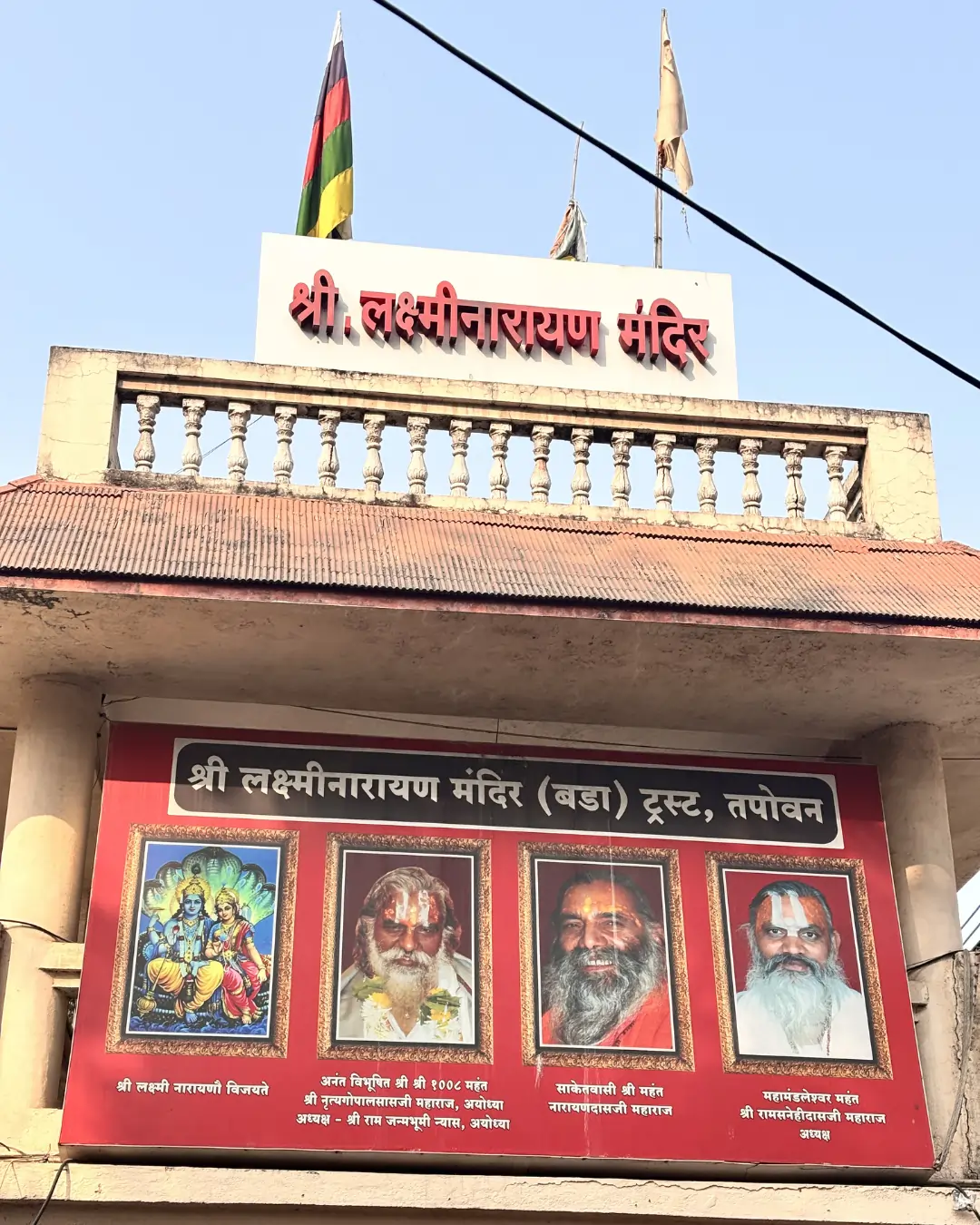
Shree Laxmi Narayan Mandir, Tapovan Nashik
Most peaceful and historic temples in Nashik
Temple Timings & Hours
6:00 AM – 12:00 PM
4:00 AM – 8:00 PM
Best Time To VIsit
7:00 AM – 9:00 AM
Location
Tapovan, Panchavati, Nashik
Abou the Shree Laxmi Narayan Mandir
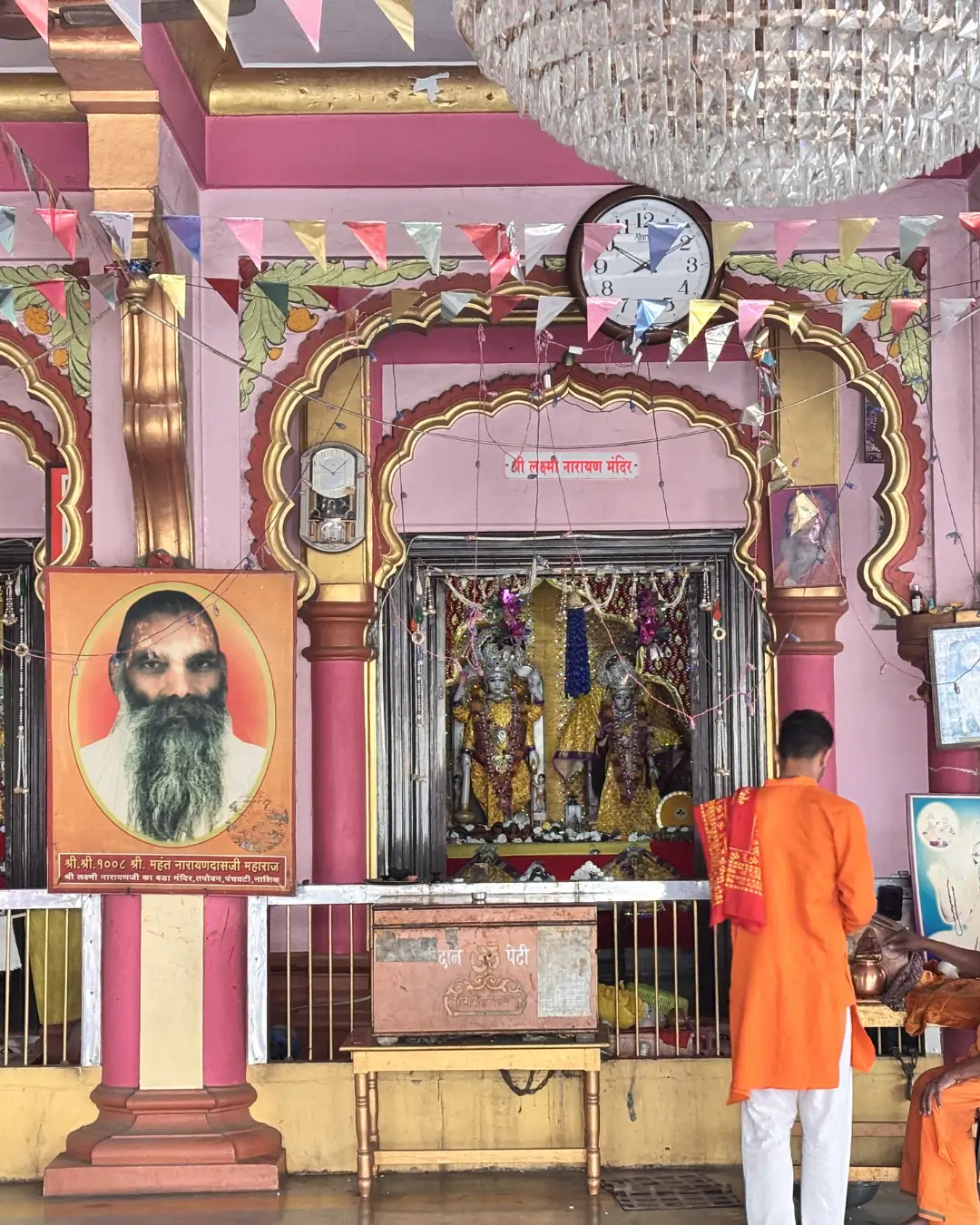
Welcome to one of the most peaceful and historic temples in Nashik. Hidden away in the quiet, green area of Tapovan, the Shree Laxmi Narayan Mandir is dedicated to Lord Narayan (Vishnu) and his wife, Goddess Lakshmi. Unlike the crowded temples in the city center, this mandir offers a deeply calm environment perfect for meditation. It also holds a massive secret: every 12 years, it becomes the starting point for the world-famous Nashik Kumbh Mela procession.
Here is your complete guide to the temple, including its history and what to expect when you visit.
When you walk through the main gates, the layout is highly organized and incredibly peaceful. Here is exactly what you will experience:
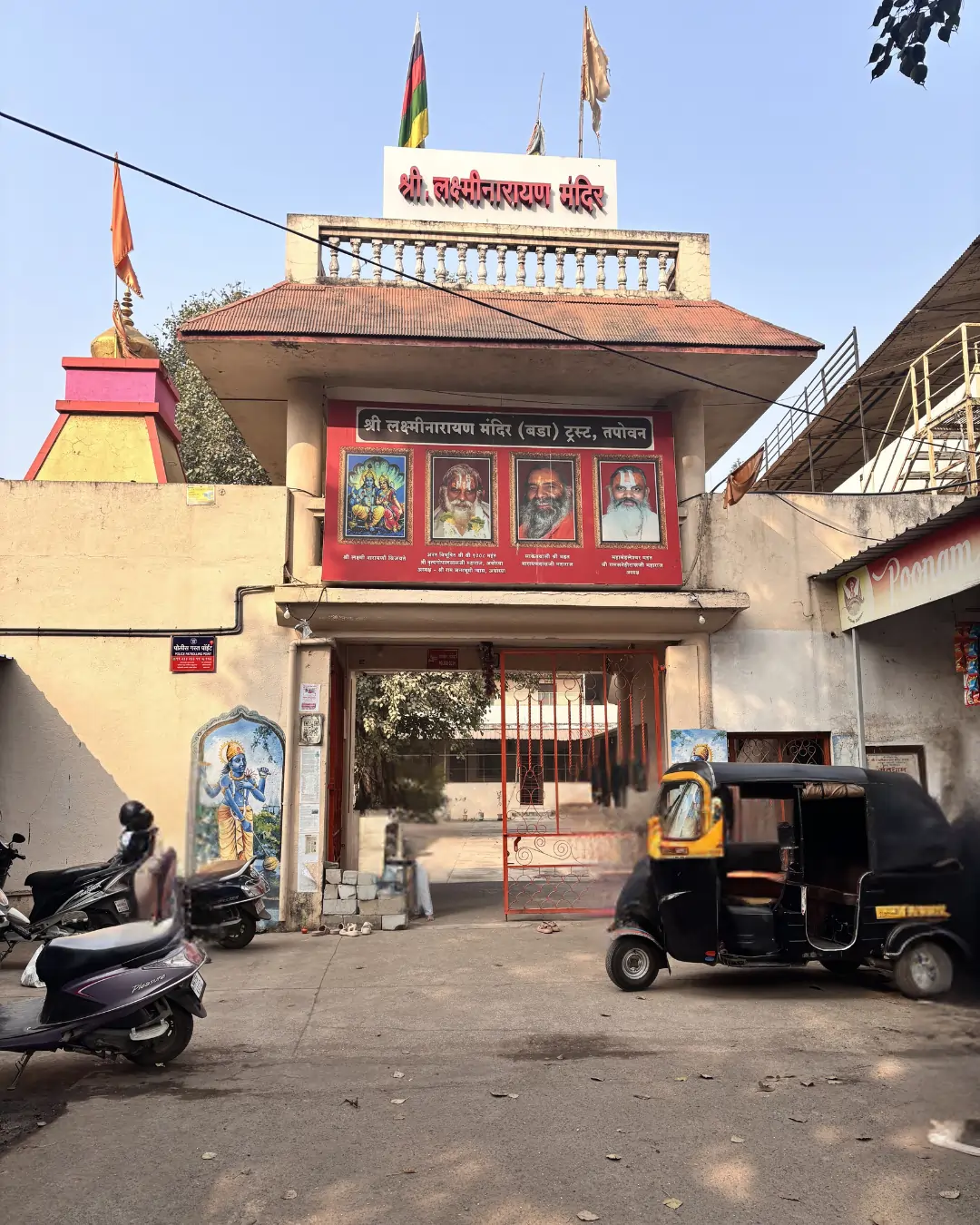
- The Entrance & The Banyan Tree: When you first enter the gate, walking straight is actually a dead end where you will see a large banyan tree inside the compound. You need to take a left to head toward the temples.
- The Shiva Temple (Left Side): After taking that first left, if you look to your left side again, you will find a separate, dedicated temple for Lord Shiva.
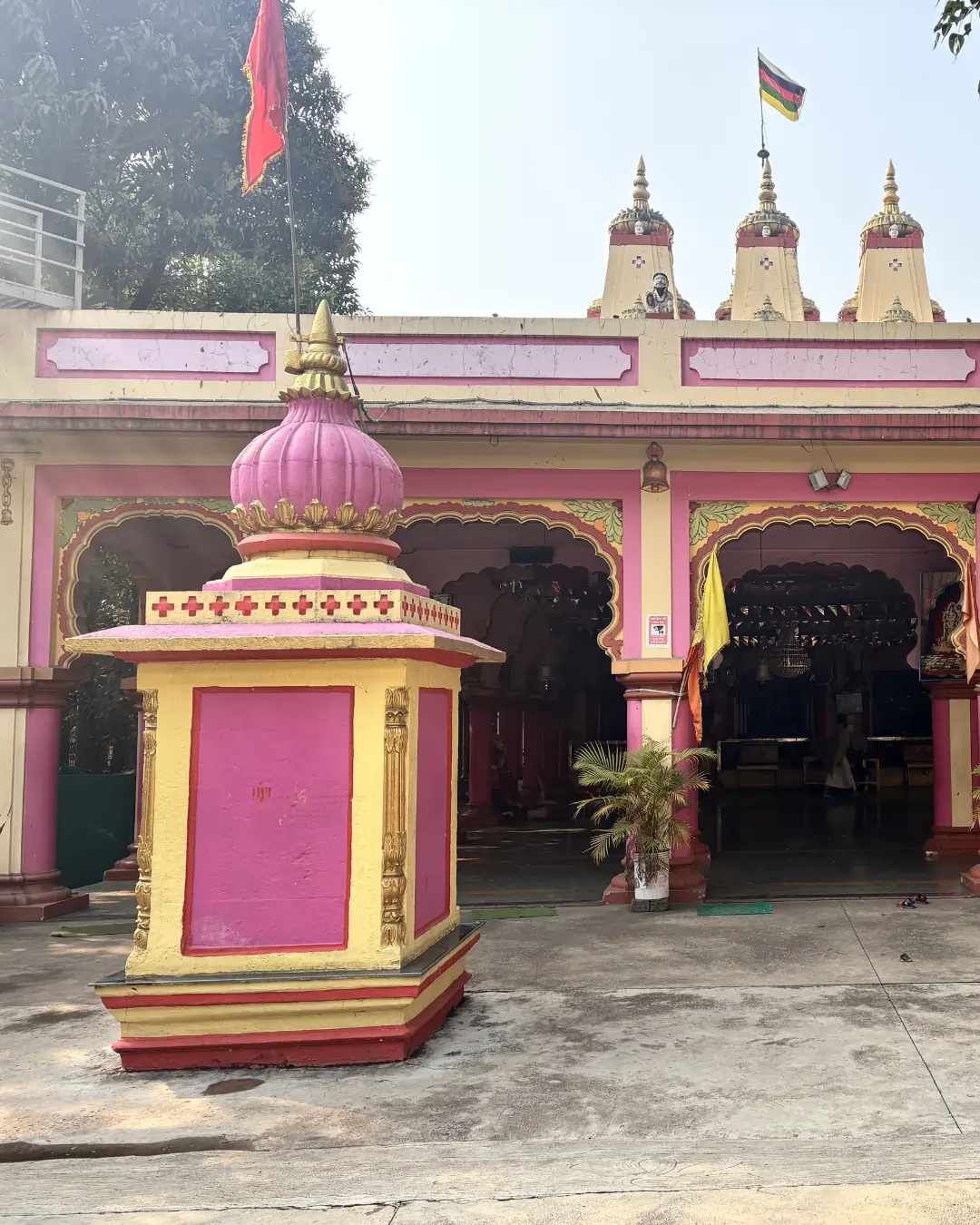
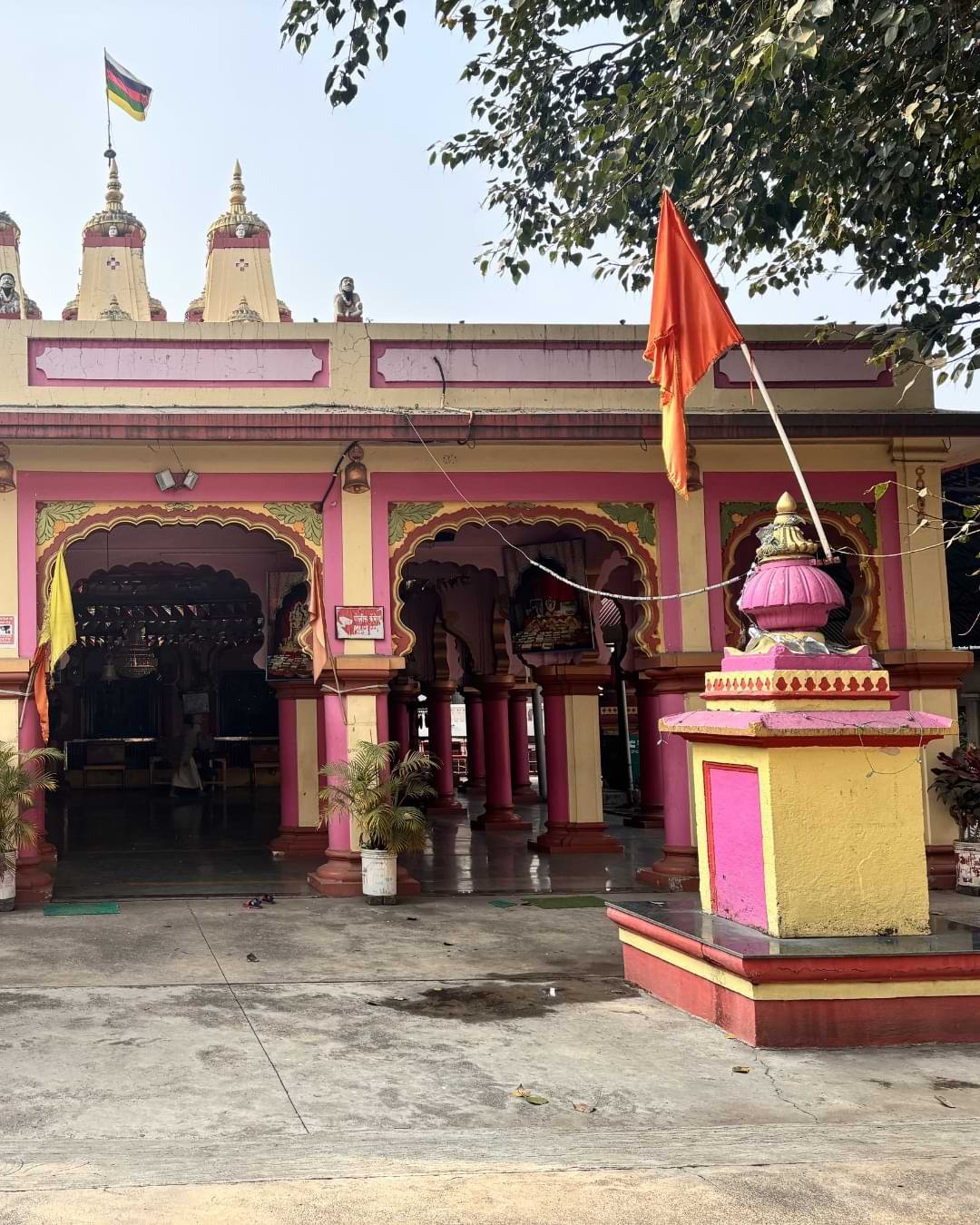
- The Main Mandir (Straight Ahead): Once you have made that initial left turn from the entrance, walking straight will lead you directly to the main, medium-sized temple building. It is spacious and deeply calming.
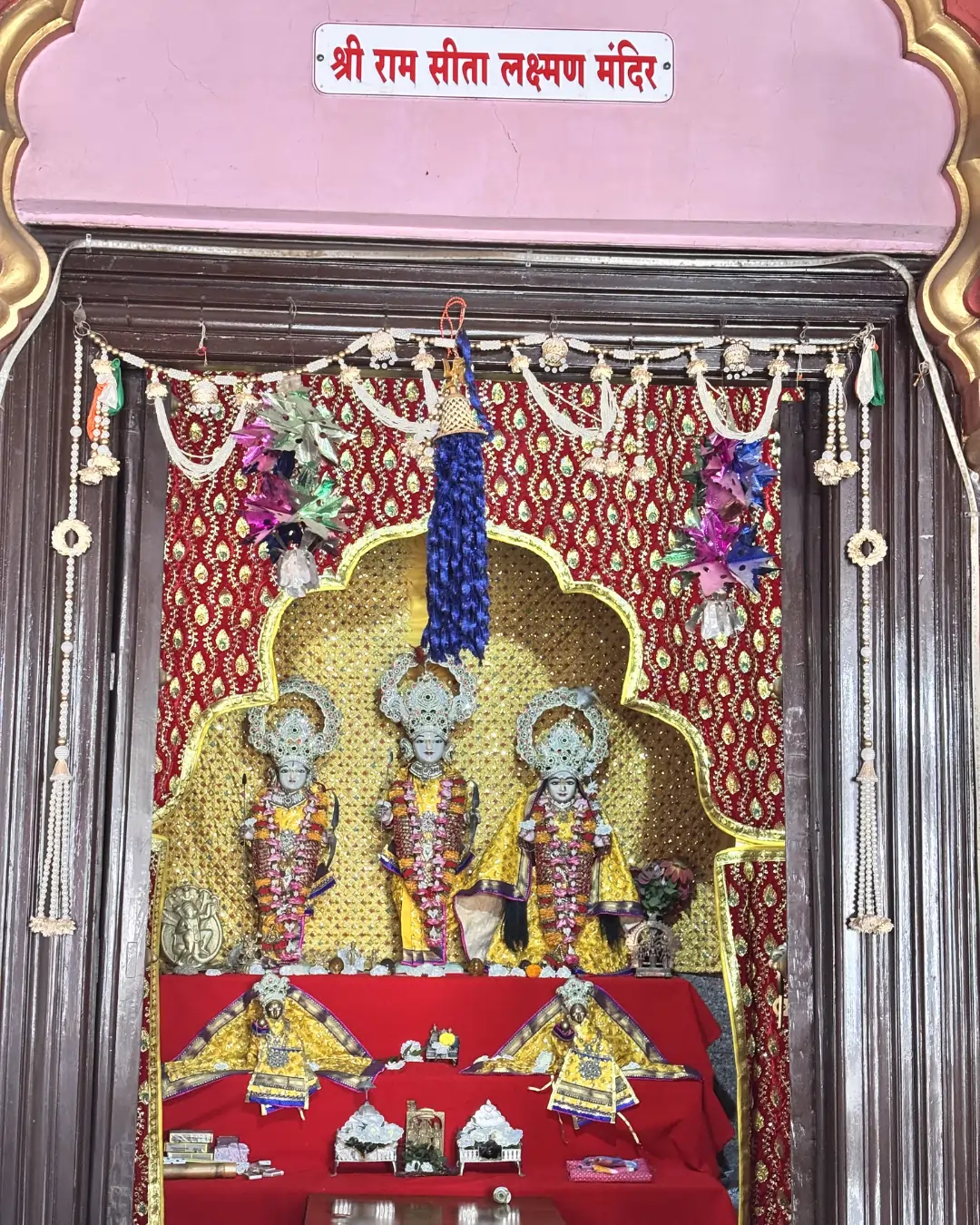
- The Three Garbh Gruhas (Inner Sanctums): Inside the main temple, there are three distinct shrines for worship:
- Center: The primary idols of Shree Laxmi Narayan.
- Right Side: The idol of Lord Dwarkadheesh (Krishna).
- Left Side: The Ram Darbar (Lord Ram, Mother Sita, and Lord Laxman), honoring the fact that these avatars lived in this very Tapovan forest during their exile.
The story of this temple is one of survival and devotion.
- The Ancient Origin (The Ramayana Era): During their exile in the Tapovan forest, Lord Ram and Mother Sita lived as poor hermits. However, the enlightened sages meditating there saw through their human disguise and recognized their true cosmic identities: the prince was actually Lord Narayan (Vishnu), and his wife was Goddess Laxmi. This temple was originally built on this exact forest land to honor the divine couple who once walked barefoot on this very soil.
- The 1680 Destruction: In the 17th century, the original temples in this region faced a dark period. According to historical records, in the year 1680, Mughal Emperor Aurangzeb ordered the destruction of Nashik’s temples. Many ancient shrines along the river were destroyed, and worship had to be done in secret. Local legends say the original temple here had a golden spire (Kalash) that was looted.
- The Peshwa Rebuilding: In the 1700s, the Maratha Empire and the Peshwa rulers took control of Nashik. They poured massive wealth into rebuilding the city’s temples and bringing the culture back to life.
- The 1904 Updates: The colorful, spacious layout of the Tapovan Laxmi Narayan complex that you see today took its final shape around 1904. During this time, the temple structures and the attached Goshala (cow sanctuary) were organized into a charitable trust.
If you look at the older temples in Nashik (like the Kalaram Mandir), they are built from dark black stone.
The Laxmi Narayan Mandir is completely different. It features colorful, modern architecture with wide, open courtyards. This design was inspired by traditional Maharashtrian “Wadas” (large courtyard homes). The builders created these massive open spaces inside the temple for a very specific reason: to easily hold thousands of visiting Sadhus (holy men) during big festivals.
This temple is globally famous for its role in the Simhastha Kumbh Mela (held every 12 years).
Because of a historical clash in 1789, the Kumbh Mela was split to keep the peace: Shaiva monks bathe in Trimbakeshwar, and Vaishnava monks bathe in Nashik city.
During the Kumbh Mela, the Shree Laxmi Narayan Mandir becomes the absolute headquarters for the Vaishnava monks. The world-famous Shahi Juloos (Royal Procession)—where tens of thousands of holy men, elephants, and chariots march to Ramkund for the holy bath—officially starts right here at this temple. The temple’s wide open spaces make it the only place big enough to organize this massive parade.
The historical facts on this page have been strictly fact-checked against the following trusted records:
- The Valmiki Ramayana & Puranas: The core ancient scriptures that confirm the enlightened sages of the Dandakaranya forest recognized Ram and Sita’s true cosmic identities as Laxmi and Narayan during their exile.
- The Nashik District Gazetteer (1883): Official British-era administrative records that definitively prove the 1680 temple destruction by Mughal forces and the subsequent rebuilding by the Peshwas.
- Traditional “Wada” Literature & Oral History: The historical architectural records and local Maharashtrian lore that preserve the details of the stolen golden Kalash and explain the temple’s spacious courtyard design.
- Kumbh Mela Administrative Records: The official historical documents detailing the 1789 Peshwa decree that separated the fighting ascetic groups, legally establishing this exact temple as the starting point for the Vaishnava Shahi Juloos.
Content created for: Spiritual tourists, pilgrims, and Kumbh Mela visitors seeking an accurate, easy-to-read guide to the history and logistics of the Shree Laxmi Narayan Mandir in Nashik.
How to Reach Shree Laxmi Narayan Mandir
By Train
10–12 km from Nashik Road Station.
Bus
4–5 km from CBS (Central Bus Stand), Nashik
Walking
Approx. 1.5–2 Km from Ramkund
Location
Located near the Godavari & Kapila River Sangam
Nearest Railway Station:
Nashik Road Railway StationDistance to temple: Approx. 10–12 km
Travel Time: Around 25–35 minutes
You can take: 1-City bus towards Panchavati/Tapovan 2- Auto-rickshaw or cab directly to Tapovan
Nearest Bus Stand:
CBS Nashik (Central Bus Stand)Distance to temple: Approx. 3–4 km
Travel Time: Around 10–15 minutes
Regular local buses and shared autos are available for: Panchavati, Tapovan, Ramkund route
- From Ramkund / Panchavati Area
Ramkund
Distance: Approx. 1.5–2 kMWalking Time: Around 20–25 minutes
Walking route passes through: - Panchavati streets
- Godavari river ghats
- Tapovan spiritual area
- Ideal for pilgrims exploring nearby temples.
- Located near the Godavari & Kapila River Sangam
- Area: Tapovan, Panchavati, Nashik – 422003
- Famous nearby places:
- Sita Gufa
- Ramkund
- Kapaleshwar Temple
- Tapovan Ashrams
Best Visiting Time
- Early Morning: 7:00 AM – 9:00 AM
- Evening Aarti Time: 6:00 PM – 7:00 PM
- 🅿️ Parking (Normal Days): This temple is in a very peaceful area. On normal days, there is a free parking space directly in front of the temple gate.
- 🅿️ Parking (Kumbh Mela/Peak Days): During the Simhastha Kumbh Mela (5 days before and after the Shahi Snan), private vehicles are strictly banned here. You will need to park outside the city limits and use government buses to reach Tapovan.
- 📸 Photography: Allowed! You can come anytime during the day and take pictures. It is not a commercialized temple, so you can freely capture its beauty.
- 🎒 Bags & Luggage: Allowed. You can carry backpacks and large bags. Just never leave them unattended—always keep a very close eye on your belongings.
- 🩴 Footwear: You must remove your shoes and slippers before stepping onto the holy platform near the idols.
Frequently Asked Questions About Shri Laxmi Narayan Mandir
No. This is a very common confusion. The Sundarnarayan Temple is an older black-stone temple located near Ramkund in the city. The Shree Laxmi Narayan Mandir is a colorful, spacious temple located in the forested Tapovan area. They are two completely different places.
Lord Rama is an avatar of Lord Narayan (Vishnu), and Mother Sita is an avatar of Goddess Laxmi. Because Rama, Sita, and Laxman lived in the Tapovan forest during their exile, enshrining them alongside Laxmi Narayan honors the exact ground they walked on.
Right next to the temple is a Goshala (cow sanctuary) that was built in 1904. Feeding and protecting cows is a core part of worship here, making this temple a center for both prayer and active charity.