Railways Plan ₹1,200 Cr Upgrade, New Train Halts for Kumbh Pilgrims

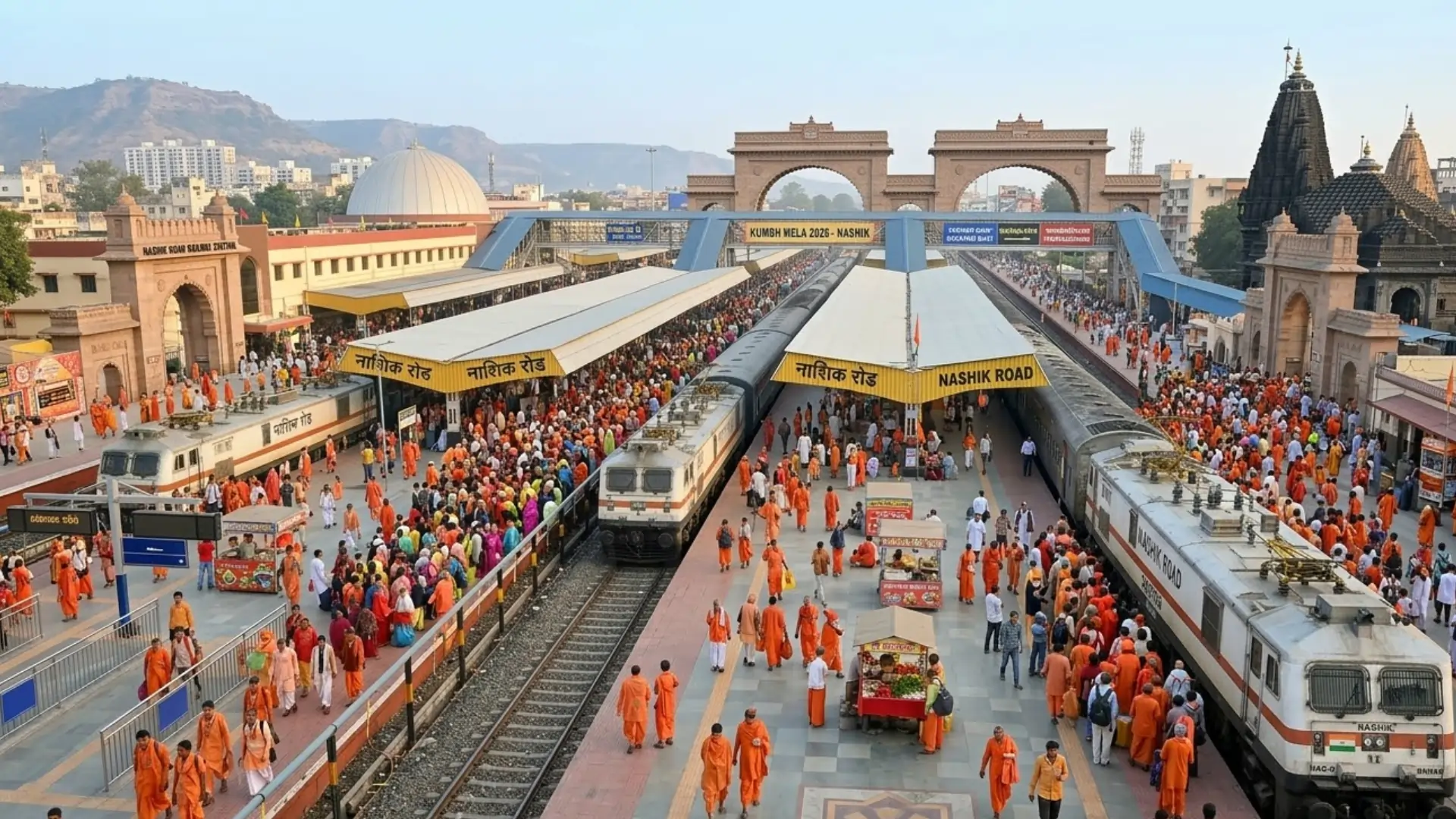
Indian Railways has announced a major infrastructure upgrade worth ₹1,200 crore to manage the expected surge of pilgrims during the upcoming Simhastha Kumbh gathering in the Nashik region.
As part of the plan, authorities are shifting toward a decentralised railway traffic system, aiming to reduce pressure on the main Nashik Road station and improve crowd management.
Decentralised Train Termination Strategy
Railway officials have confirmed that instead of routing all special trains to a single station, multiple nearby stations will be developed as primary arrival hubs.
These include:
- Devlali
- Odha
- Kasbe-Sukene
- Kherwadi
According to Divisional Railway Manager Punit Agrawal, train routes will be distributed based on their origin to balance passenger flow.
- Trains arriving from northern and eastern regions will terminate at Odha, Kasbe-Sukene, and Kherwadi
- Trains from the Mumbai side will be diverted to Devlali
This approach is expected to significantly reduce congestion at major railway terminals.
Also Read : Maharashtra Government Reviews Preparations for Nashik–Trimbakeshwar Simhastha Kumbh Mela 2027
Holding Areas and Shuttle Integration
A key part of the plan is the creation of designated holding zones outside railway stations.
After arrival:
- Pilgrims will be guided out of station premises immediately
- Large holding areas will manage crowd flow
- State transport services will take over from these points
From these zones, MSRTC shuttle buses will transport pilgrims directly to major locations such as the river ghats and Trimbakeshwar.
For return journeys, passengers will again be required to wait in these holding areas and will be allowed entry into stations only at the time of boarding.
Infrastructure Upgrades Underway
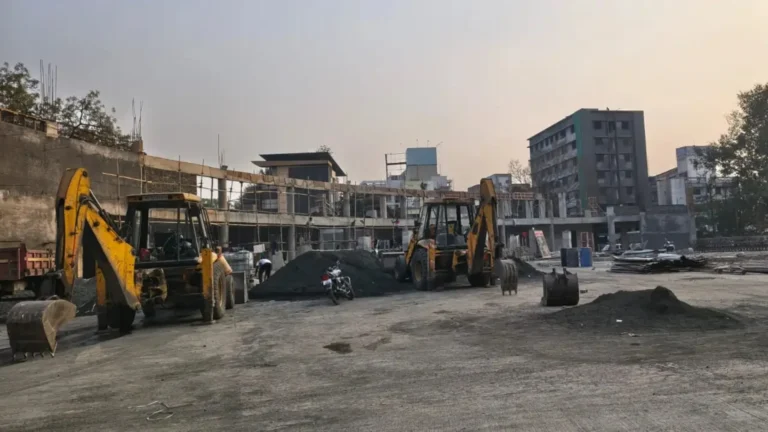
To support this plan, railway infrastructure is being upgraded at a rapid pace across the identified stations.
Key developments include:
- Construction of wide foot over bridges for safer movement
- Expansion of platforms to handle longer trains
- Advanced signaling and interlocking systems
- Additional tracks and stabling lines for train management
Officials have stated that while these upgrades are being accelerated for the event, most of the infrastructure will remain as a long-term benefit for regional rail connectivity.
Focus on Safety and Crowd Management
The decentralised model, combined with improved infrastructure and coordinated transport systems, is aimed at ensuring safer and smoother movement of passengers.
Authorities believe that distributing arrivals across multiple stations and integrating rail with road transport will help prevent overcrowding and improve overall efficiency.
Conclusion
With a large-scale investment and a shift toward decentralised planning, Indian Railways is preparing to handle one of the biggest passenger movements in the region. The new strategy reflects a stronger focus on safety, crowd control, and long-term infrastructure development.