Traffic Plan Announced for Simhastha Kumbh: Parking Zones, Shuttle Buses and No-Vehicle Areas

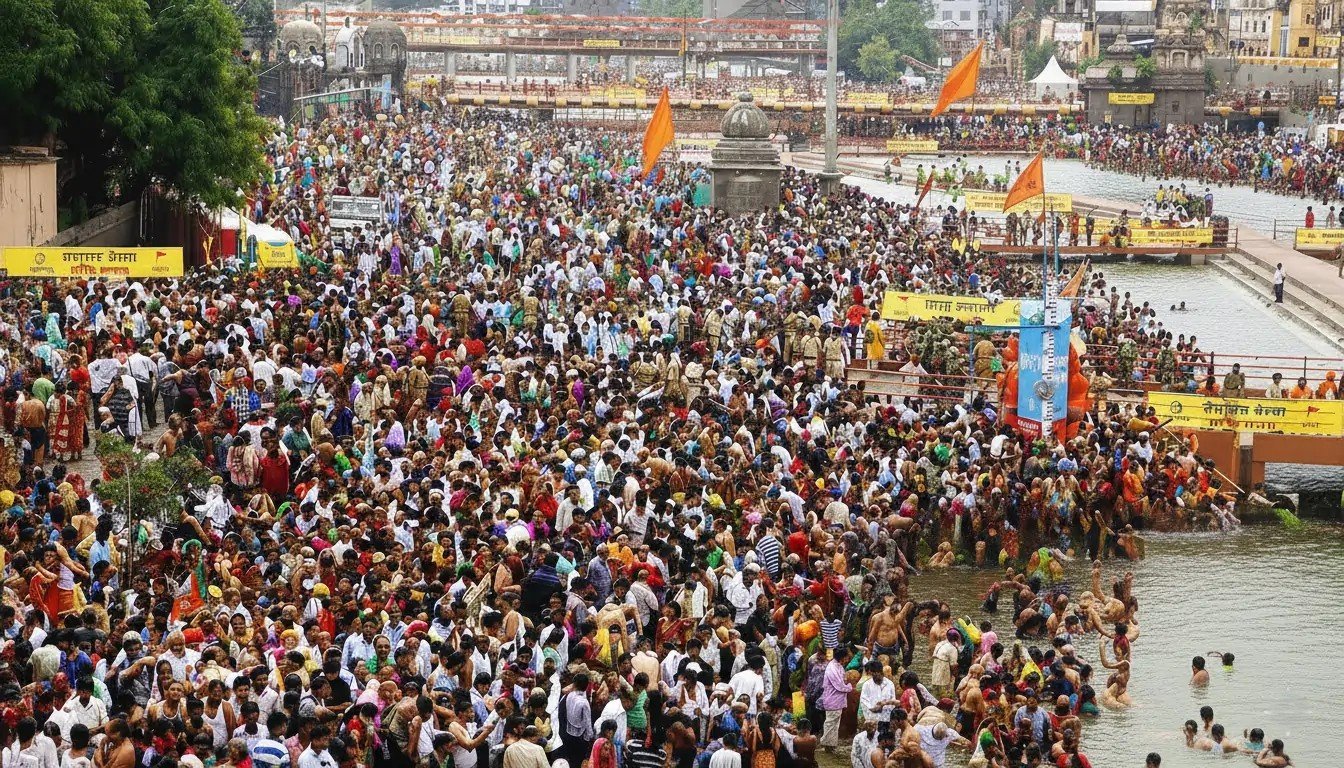
Authorities in Maharashtra have begun advanced preparations for the upcoming Simhastha Kumbh gathering in Nashik and Trimbakeshwar, with a strong focus on traffic management and crowd control.
Officials say the new strategy aims to prevent the heavy congestion seen during earlier religious events. A structured system involving outer parking zones, frequent shuttle services, and strict vehicle restrictions inside the city is being planned to handle the expected surge of pilgrims.
No-Vehicle Zone Inside the City
One of the key measures announced by the administration is the creation of a complete no-vehicle zone within the city during peak days.
According to officials, private vehicles will not be allowed to enter the city during the main bathing days. Incoming traffic will be stopped at designated entry points on the outskirts to reduce congestion and improve pedestrian movement.
This restriction is intended to ensure safer access for the large number of devotees expected to visit the river ghats.
Outer Parking Planned Along Major Highways
To support the vehicle restrictions, large outer parking areas are being planned along key routes entering Nashik.
Authorities have initiated verification of potential parking sites along major roads including:
- Peth Road
- Dindori Road
- Dhule Road
- Pune Road
- Mumbai Road
These parking areas will act as holding points where visitors can park their vehicles before continuing their journey toward the main city.
Frequent E-Bus Shuttle Services
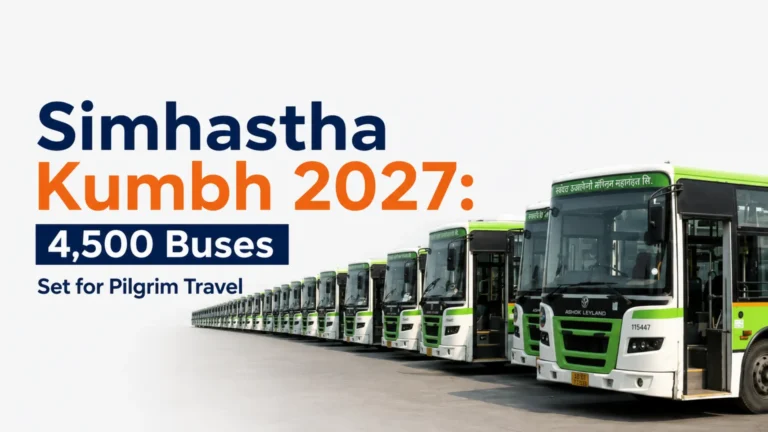
From the outer parking zones, devotees will be transported to the inner city using electric shuttle buses.
Officials have proposed a high-frequency system to minimize waiting time. The plan suggests that shuttle buses could operate at intervals of around three minutes, ensuring continuous movement of pilgrims from parking areas to key locations near the ghats.
The use of electric buses is also expected to reduce pollution and improve mobility during the event.
Technology-Driven Crowd and Traffic Management
Authorities are also planning to use advanced digital technologies to manage crowds and traffic.
The event is being envisioned as a technology-enabled gathering, where artificial intelligence and digital monitoring systems will assist in:
- Crowd density tracking
- Traffic flow management
- Surveillance and safety monitoring
- Real-time guidance through digital display boards
These systems will help officials respond quickly to changing crowd conditions and improve overall safety.
Focus on Safer and Smoother Movement
With millions of devotees expected to attend, authorities believe that the combination of vehicle restrictions, structured parking zones, shuttle transport, and digital monitoring will help ensure smoother movement across the city.
The plan reflects early preparations aimed at making the event more organized and safer for visitors.