
|| अलख निरंजन ||
The Army of Dharma: 13 Akhadas of Simhastha Kumbh
Established by Adi Shankaracharya to protect Sanatan Dharma. Discover their history, deities, and role in the Royal Bath.
──── HISTORICAL ORIGIN
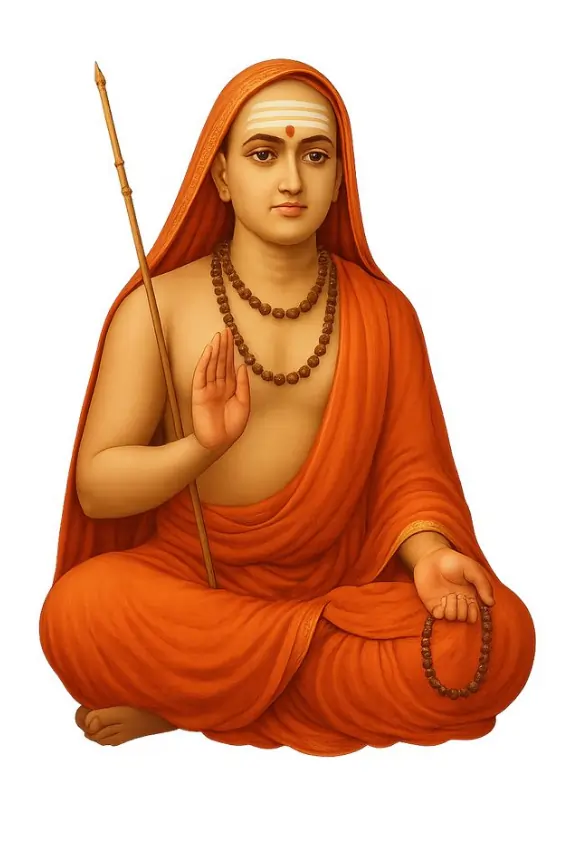
The Vision of Adi Shankaracharya
In the 8th Century, Sanatan Dharma was fragmented. Knowledge was spreading, but there was no central system to protect or organize the Ascetics (Sadhus) from external threats.
Jagatguru Adi Shankaracharya realized that Spirituality needed both Shastra (Scriptures/Knowledge) and Shaastra (Weapons/Strength). He organized the wandering Sadhus into ‘Akhadas’ (originally meaning Akhanda or Indivisible, also referring to a Wrestling Arena/Regiment).
Their Purpose:
To Defend Dharma
Physically protecting temples, pilgrims, and scriptures from external threats.
To Preserve Knowledge
Passing down Vedic lineage via the Guru-Shishya parampara across generations.
To Unite
Bringing diverse sects under one central umbrella for spiritual strength.
The 13 Sacred Akhadas
The Akhadas are categorized into three distinct groups based on their Ishta Devata (Chosen Deity), representing the diversity within Unity.
GROUP A: The Shaiva Akhadas (7)
shaiva Group
Dharma Raksha (Protection of Faith) using spiritual and physical weapons and Yoga.
Followers
Sanyasis, Naga Sadhus (The Warrior Ascetics)
Ishta Devata
Lord Shiva (Bhairav/Rudra) & Dattatreya
Nashik Location
Trimbakeshwar (Kushavarta Kund)
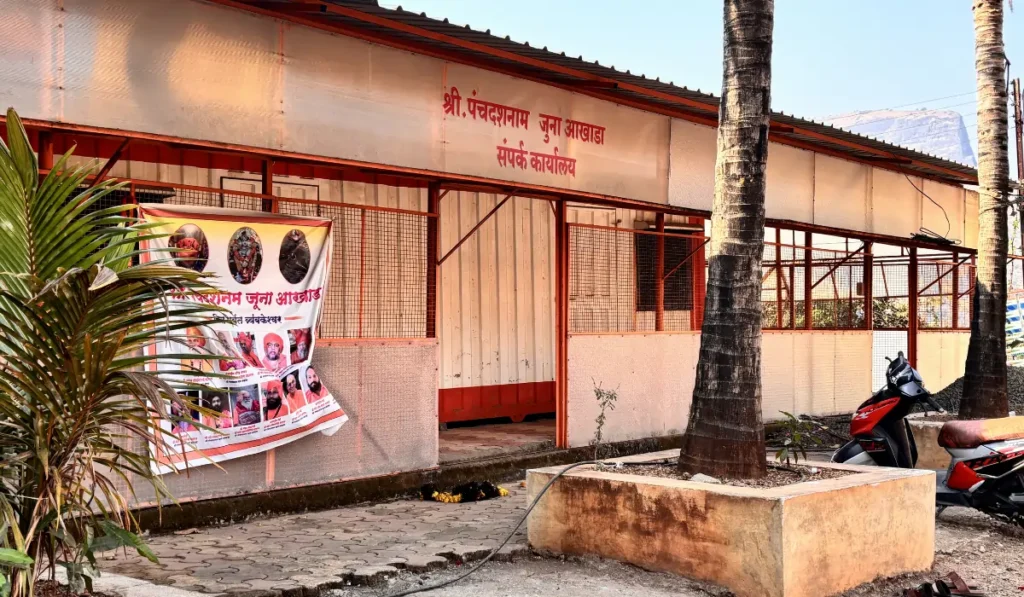
Shri Panch Dashnaam Juna Akhada – LARGEST & OLDEST
The largest and oldest of all Akhadas. It is the primary home to the legendary Naga Sadhus.
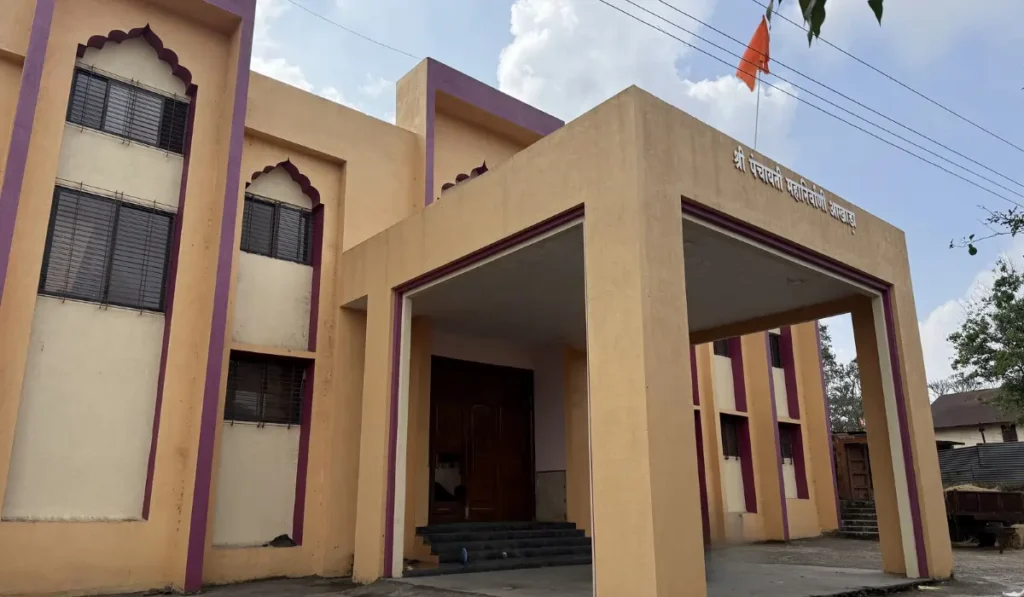
Shri Panchayati Mahanirvani Akhada
Worshippers of Kapil Muni. They are highly respected for their administration and management during the Kumbh.
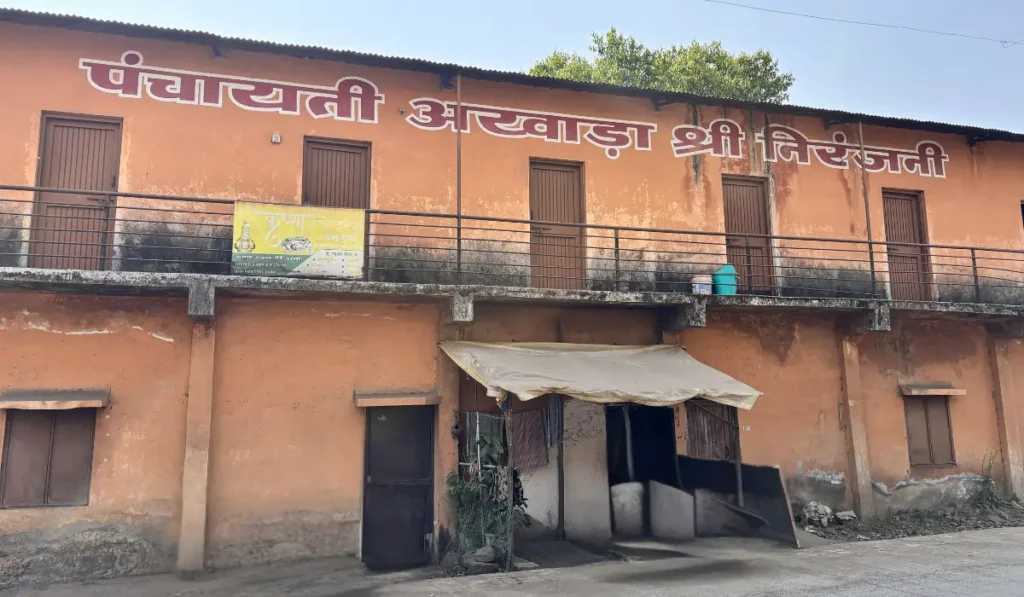
Shri Panchayati Niranjani Akhada
A group of scholars and warriors known for their intellectual contributions and discipline.
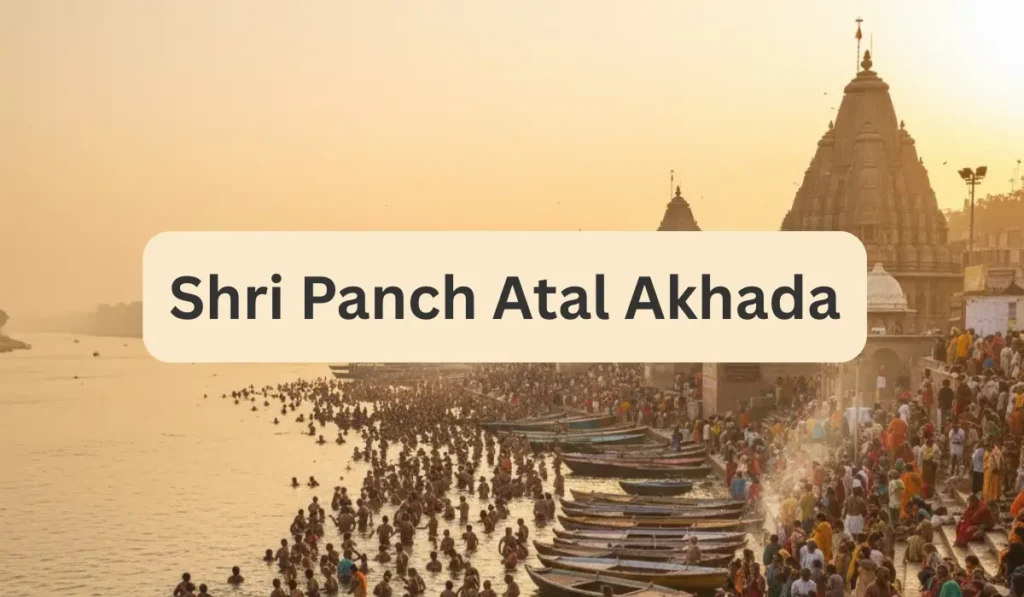
Shri Panch Atal Akhada
One of the ancient lineages, focusing on the first deity Ganesha for wisdom and removal of obstacles.
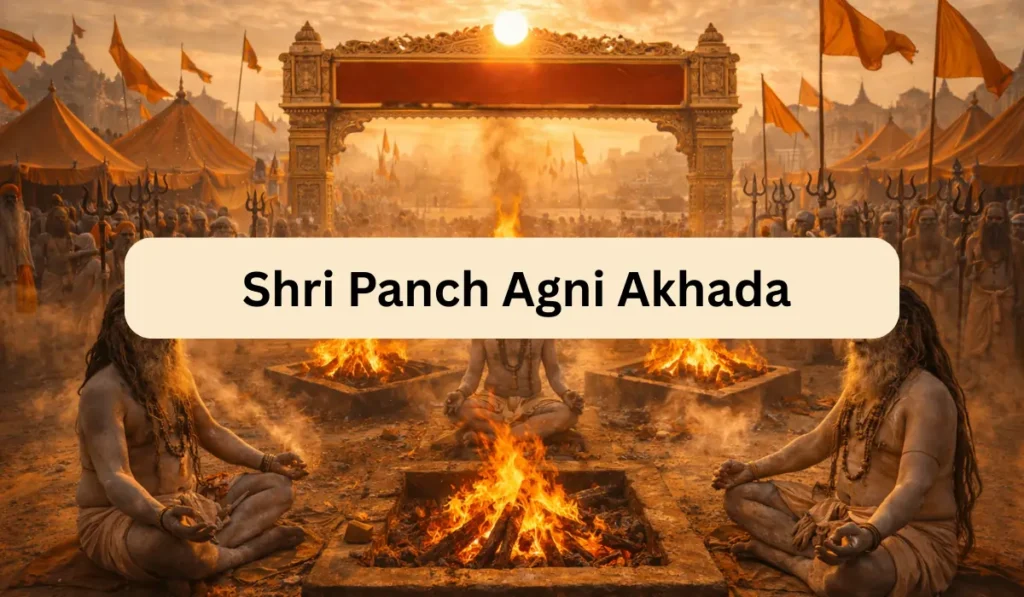
Shri Panch Agni Akhada
The largest and oldest of all Akhadas. It is the primary home to the legendary Naga Sadhus.
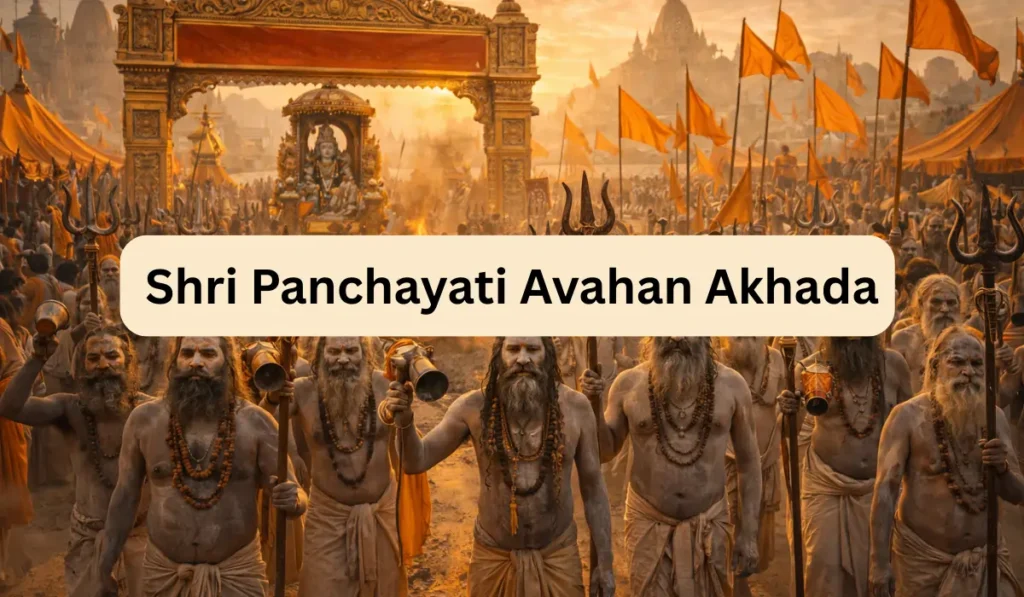
Shri Panchayati Avahan Akhada
An ancient warrior segment of the Shaiva path that focuses on divine invocation.
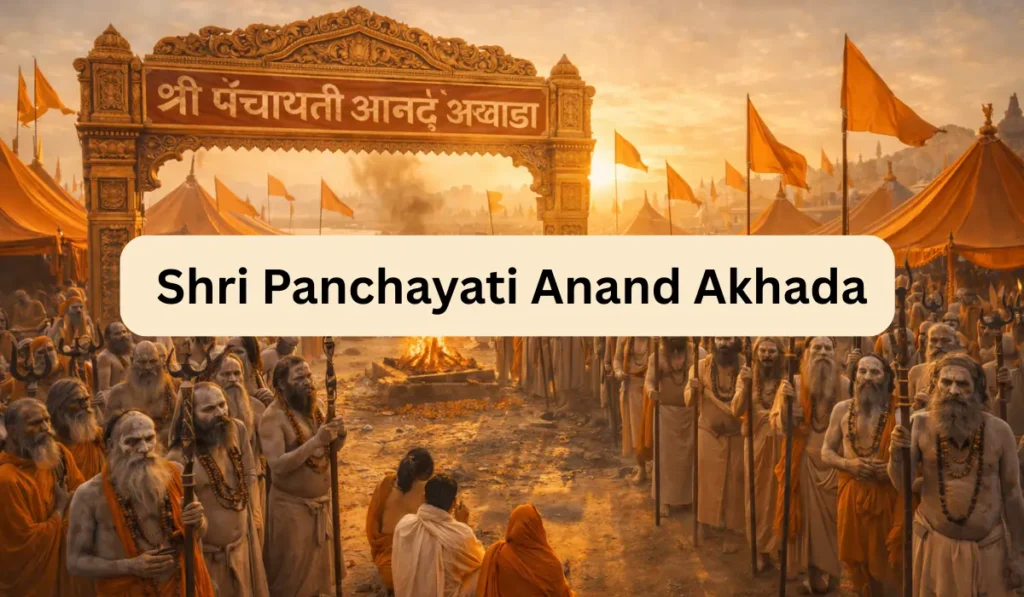
Shri Panchayati Anand Akhada
Dedicated to the bliss of the Sun deity, bringing light and warmth to the spiritual path.
GROUP B: The Vaishnava Akhadas (3)
vaishnava Group
Focus on Bhakti (Devotion), detachment from material world, and Seva (Service) to society.
Followers
Bairagis (The Detached Ones)
Ishta Devata
Lord Vishnu (Ram/Krishna) & Hanuman
Nashik Location
Nashik City (Ramkund)
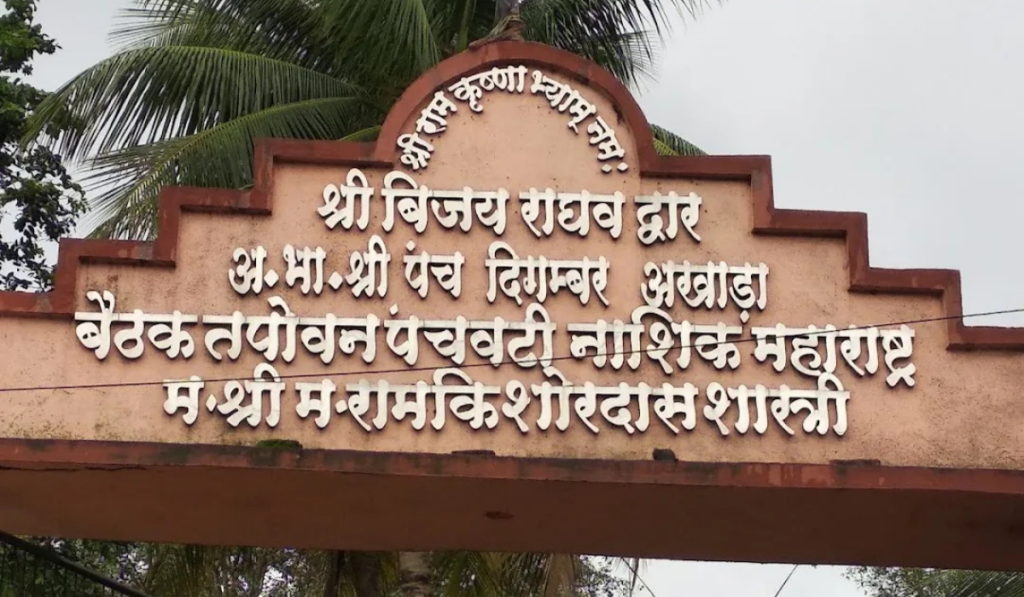
Shri Digambar Ani Akhada
Famous for strict austerity and colorful Shahi Juloos (Royal Processions) through Nashik.
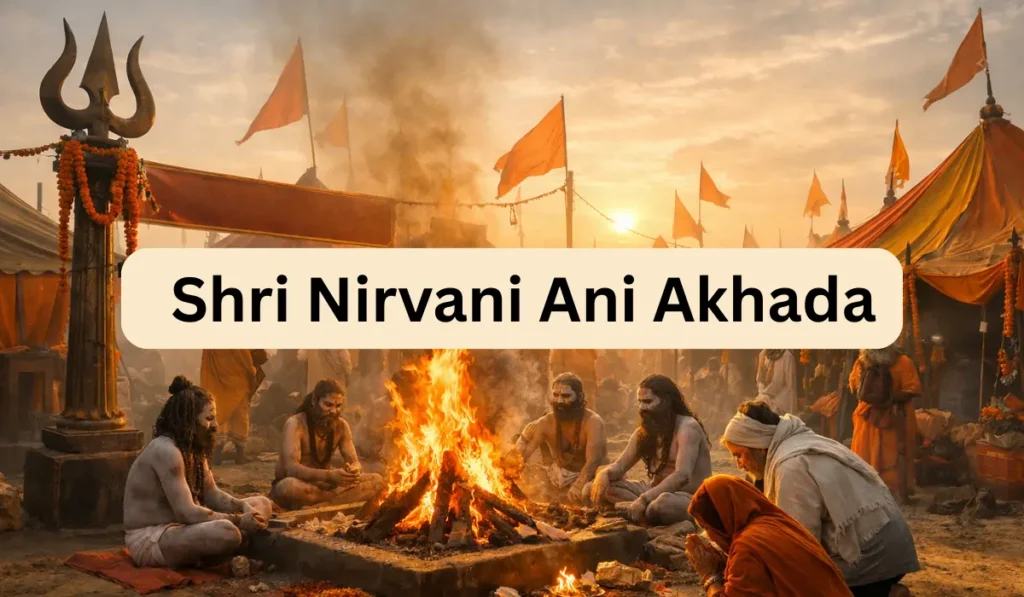
Shri Nirvani Ani Akhada
Focused on the strength and service exemplified by Hanuman. Masters of martial skills.
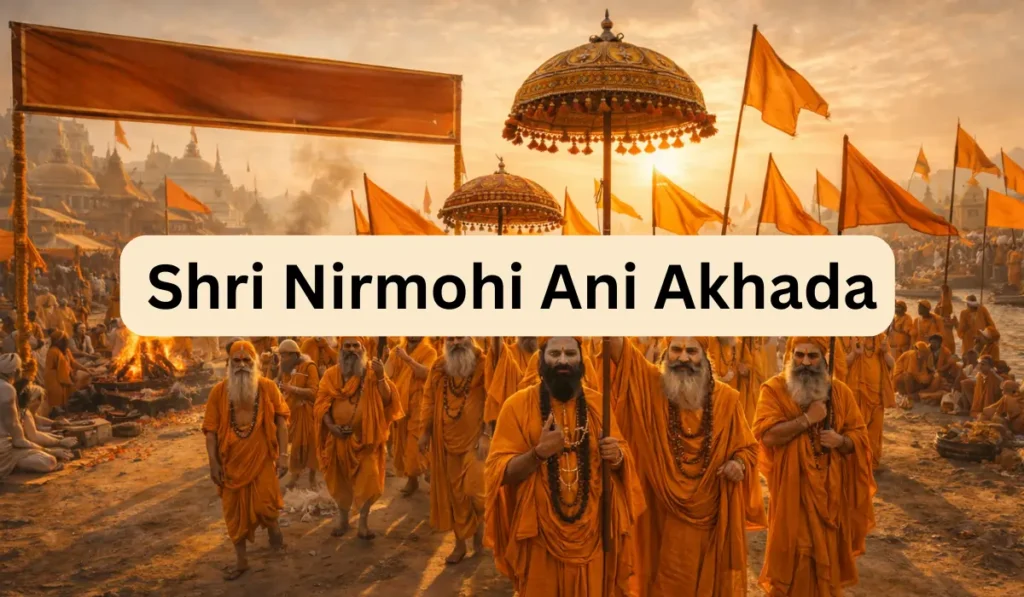
Shri Nirmohi Ani Akhada
‘Nirmohi’ means the one without attachment. They focus on service without material desire.
GROUP C: The Udasin Akhadas (3)
udasin Group
Neutrality and Detachment (Udasinata) following the path of Baba Shri Chand.
Followers
Udasin Saints (Indifferent to worldly attachments)
Ishta Devata
Trimbakeshwar
Nashik Location
Nashik City (Ramkund)
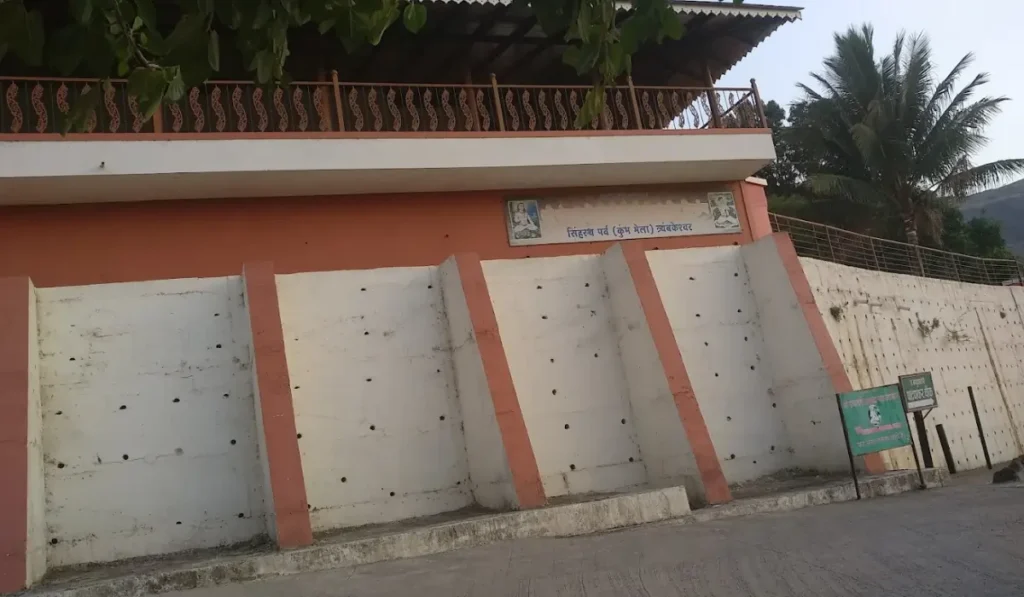
Shri Panchayati Bada Udasin Akhada
The primary and elder branch of the Udasin lineage, worshipping the formless Omkar.
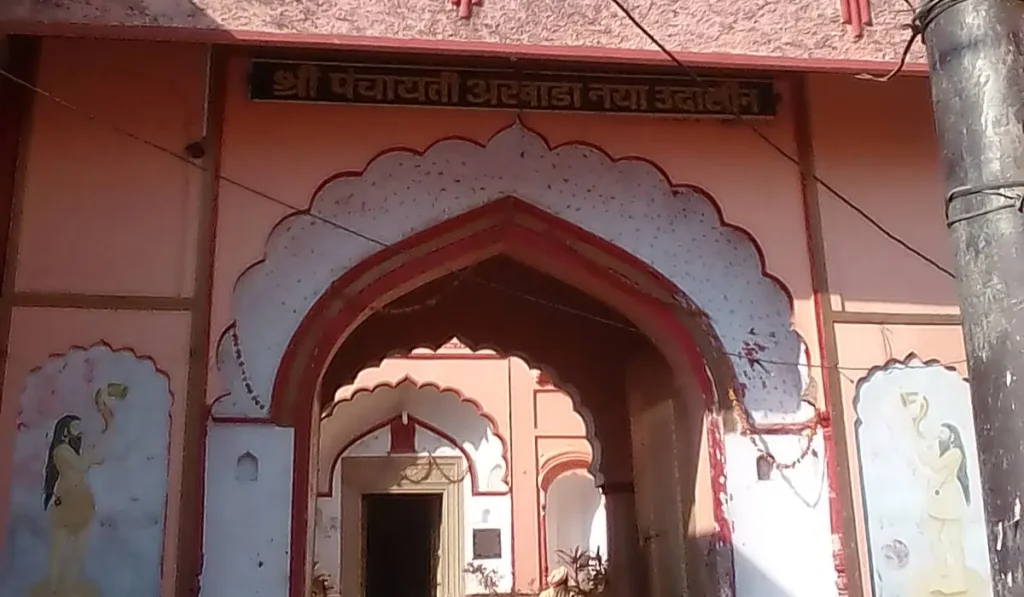
Shri Panchayati Naya Udasin Akhada
A newer organized branch following the same deep path of neutrality and detachment.
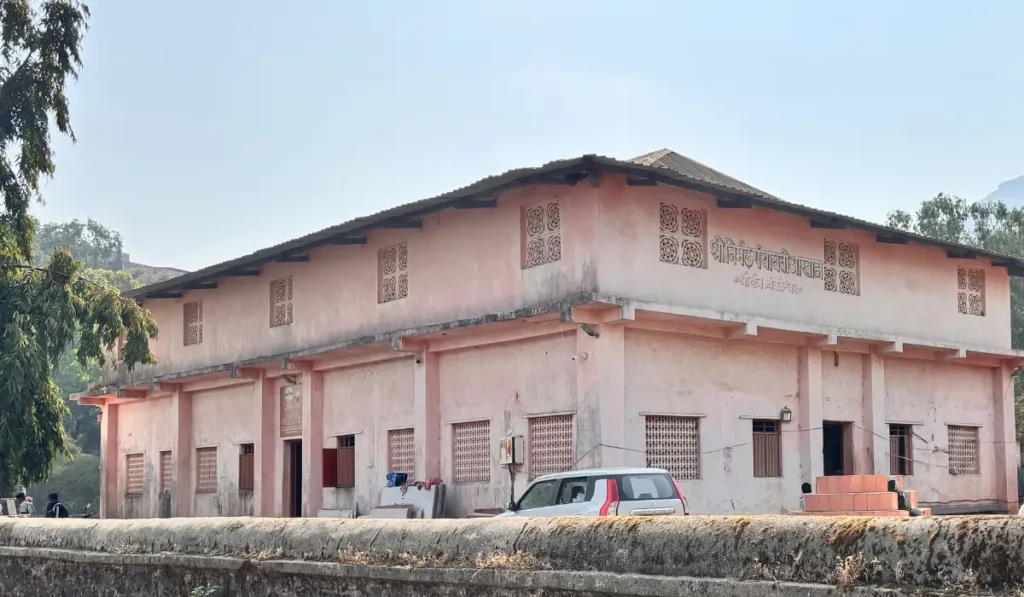
Shri Nirmal Akhada
Closely related to Sikh tradition but integral to the Sanatan Kumbh framework.
The Shahi Snan
The Significance of the Royal Bath
Why akhadas sadhu bath first?
The Shahi Snan (Royal Bath) is not just a ritual; it is a cosmic event. It is believed that during the specific Muhurat, the 330 Million Deities enter the river water along with the Saints.
When the Sadhus take the dip, their intense spiritual energy charges the water, turning it into Amrit (Nectar) for the common public. This is why pilgrims must wait until the Akhadas finish their bath.
- The Sequence (Peshwai Procession)
The bathing sequence is strictly regulated by centuries-old tradition.
At Trimbakeshwar
The mighty Juna Akhada usually leads the Naga Sadhus into Kushavarta, followed by Niranjani and Mahanirvani.
At Nashik
The Nirvani Ani or Digambar usually lead the Vaishnava procession to Ramkund.
The Nath Sampradaya
While not strictly classified as one of the “13 Akhadas” in the administrative sense, the Nath Sampradaya is the spiritual backbone of Trimbakeshwar.
THE YOGA MASTERS
Spiritual Guardians of the Peak
Masters of Breath and Body, the Nath Yogis are the silent pillars of Trimbakeshwar’s ancient sanctity.
Origin & Lineage
Founded by Adinath (Shiva) and transmitted through Masters Matsyendranath and Gorakhnath.
The Trimbak Connection
Trimbakeshwar is a stronghold of the Naths. The Gorakhnath Gufa and Sant Nivruttinath’s initiation are living proofs.
Distinction & Mastery
They are masters of Hatha Yoga and Alchemy. They align with Shaiva currents but maintain a distinct identity.
THE SOUL OF MAHARASHTRA
The Varkari Tradition
The Varkari Sampradaya: The Ocean of Bhakt
While the Akhadas represent the “Warrior Ascetics” (Shastra), the Varkari Sampradaya represents the “Devotional Masses” (Bhakti). They are the spiritual majority of Maharashtra.
- Deity: Lord Vitthal (Pandurang) of Pandharpur.
- The Trimbak Connection: Trimbakeshwar is highly sacred to them because it houses the Sanjeevan Samadhi of Sant Nivruttinath, the elder brother and Guru of Sant Dnyaneshwar Mauli.
Role in Kumbh: Unlike the militant Akhadas, the Varkaris carry Taal (Cymbals) and Veena. They fill the Kumbh Mela with the sound of Abhangs (Devotional Songs) and Kirtan. Their disciplined processions (Dindis) and “Ringan” dances are a unique cultural spectacle of the Nashik Kumbh.