|| जय श्री राम ||
Panchavati: Where Prabhu Shri Ram Lived Among Us.
Dakshin Ganga: Where Godamai flows to wash the feet of Prabhu Shri Ram.
पंचवटी: भक्ति का वो धाम, जहाँ स्वयं बसते हैं प्रभु श्री राम
Panchavati: The Legend of Tyag, Tapasya, and Amrit
Leaving behind the Raj-Vilas (Royal Luxuries) of Ayodhya, Prabhu Shri Ram came to the lap of Godamai seeking only Shanti. Under the shade of five Banyan trees (Panch-Vati), the Lord built a humble Parnakuti.
For years, this land witnessed His Tapasya (Penance), the silent strength of Sita Maia, and the selfless Seva (Service) of Lakshmana.
But destiny had more written for this soil.
During the cosmic war for Amrit, Lord Vishnu flew across the sky to protect the Nectar. As He passed Panchavati, a single drop spilled. It was drawn by the magnetism of Rama’s penance.
It fell into the Godamai, yearning to mix with the holy touch of Prabhu Shri Ram. In that moment, the river became Moksha-Daini (The Giver of Salvation).
It is believed that a single Shahi Snan in these waters washes away the Karma of seven births (Saat Janm). Just as Godamai absorbed the sorrows of Prabhu Ram, she waits to wash away your sins.
Panchvati Parikrama
Your Yatra is incomplete without visiting these Stumbh (Pillars) of Faith.
Ramkund: The Shahi Snan Ghat
Moksha-Sthan – The Sacred Place of Liberation
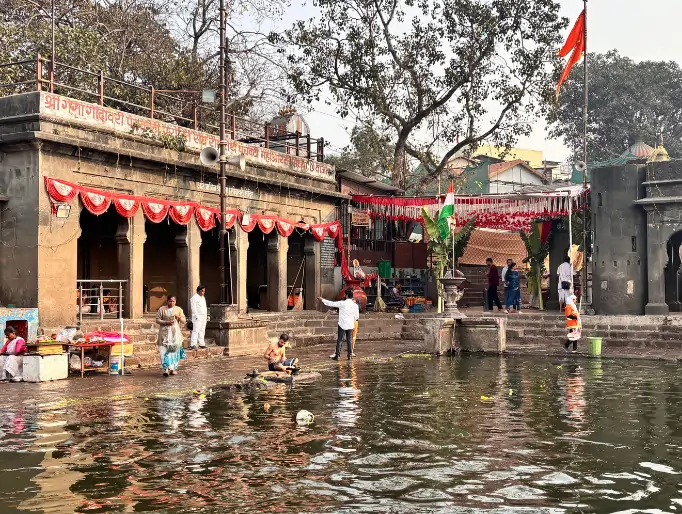
Ramkund, the most sacred Shahi Snan ghat on the banks of the holy Godavari River, holds immense spiritual significance in Nashik. It is believed that Lord Shri Ram performed the last rites of His father, Raja Dasharatha, at this very spot, and the ashes dissolved instantly, granting Moksha. Sacred tradition also says drops of divine Amrit sanctified this Kund. Taking a holy dip here, especially before sunrise, is believed to cleanse accumulated karma, purify the soul, and bless devotees with divine grace and spiritual upliftment.
Shree Kalaram Mandir
Divya Swaroop – The Divine Form
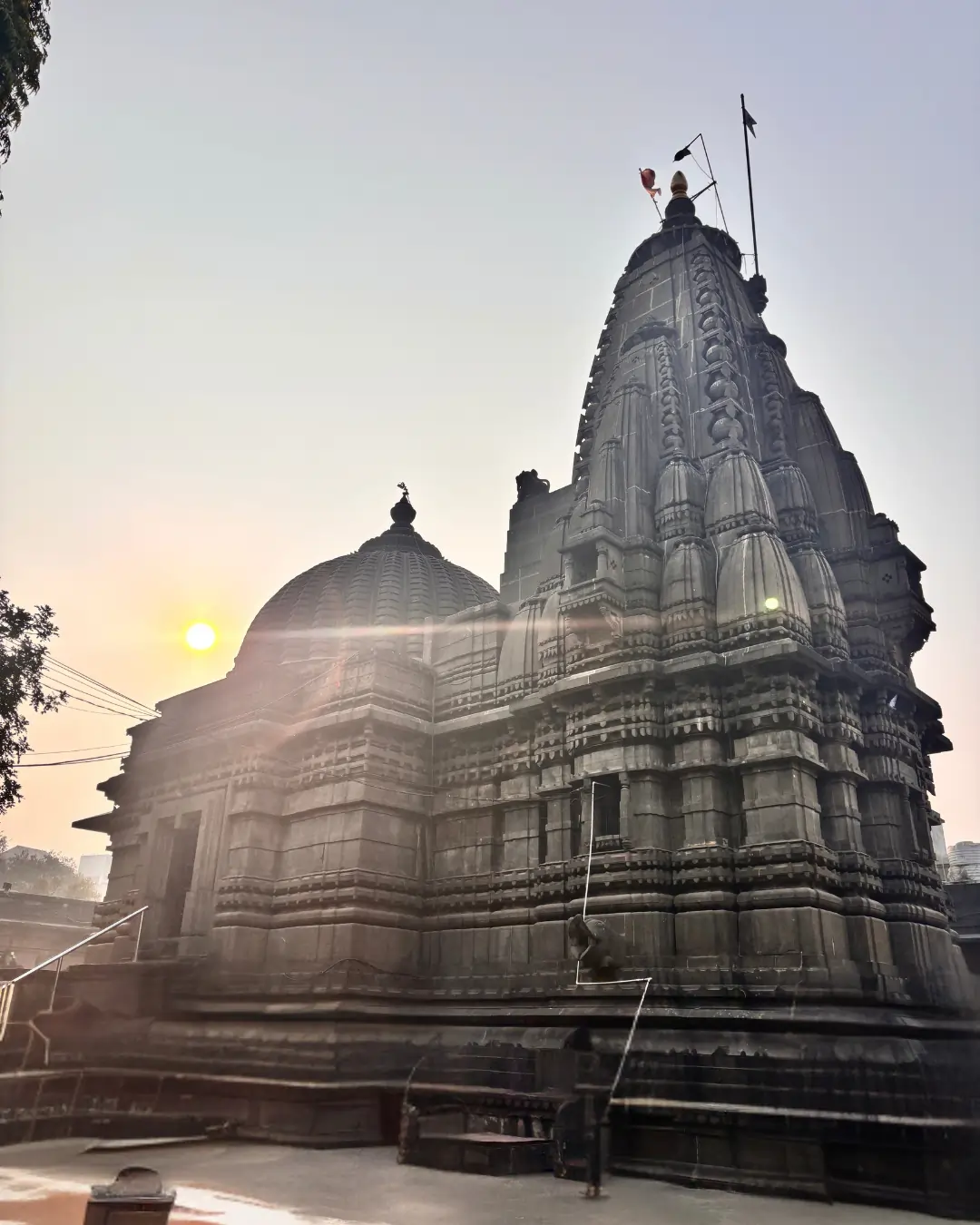
Believed to stand on the sacred ground where Lord Rama’s hut once existed during His exile, Shree Kalaram Mandir holds immense spiritual and historical significance in Panchavati.
The idol of Lord Rama is carved in striking black stone — “Kala” — symbolizing the Lord absorbing the sorrows and suffering (Vishad) of the world during His Vanvas. The temple itself is an architectural masterpiece, constructed from black basalt stone in 1792, reflecting timeless devotion and craftsmanship.
At the entrance, devotees ascend 40 sacred steps, symbolically representing the 40 verses of the Hanuman Chalisa — a spiritual journey of faith, strength, and surrender before darshan.
Sita Gufa
Rahasya Gufa – The Sacred Cave of Silence
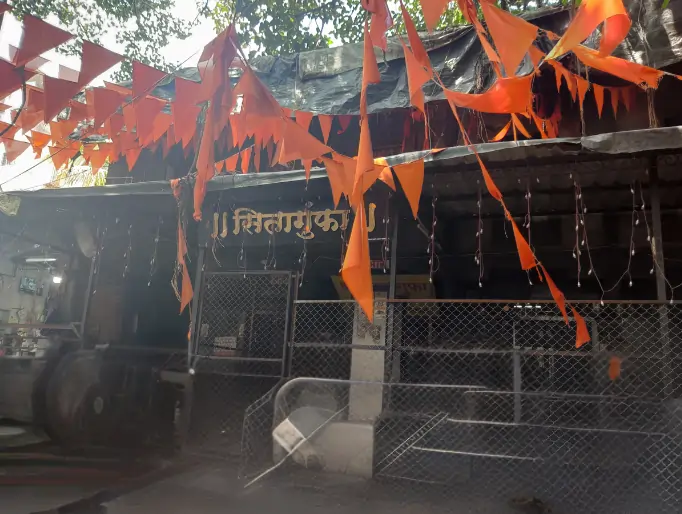
An ancient and narrow cave believed to be the sacred place where Sita Maiya worshipped Lord Shiva during her stay in Panchavati. Revered as a space of divine energy and deep silence, the cave holds immense spiritual significance for devotees.
Just outside stand the five sacred banyan trees (Panch-Vati) that gave this holy land its name, symbolizing strength, protection, and continuity.
Entry into the cave requires devotees to bow and crawl through the narrow passage — a symbolic act of humility and surrender, reminding one to leave behind ego before entering a sacred space.
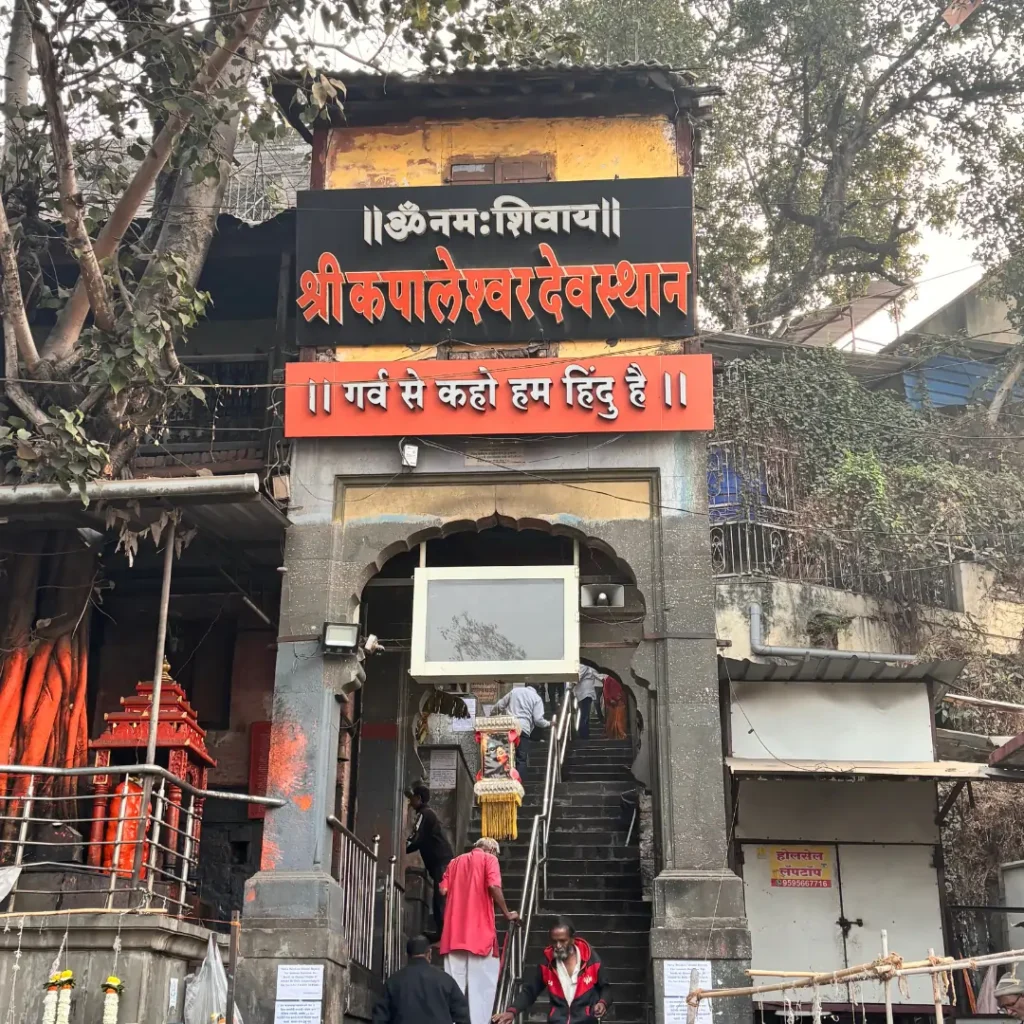
Kapaleshwar Mahadev Mandir
Shiva Without Nandi – A Rare Spiritual Mystery
A truly unique temple where Lord Shiva is worshipped without the presence of Nandi facing Him — a rare exception among Shiva temples. According to legend, Nandi once became the Guru of Lord Shiva at this sacred site. In reverence to that moment, Shiva requested Nandi not to sit before Him here.
Devotees traditionally visit Kapaleshwar Mahadev Mandir after taking darshan at Ramkund, completing the sacred Hari–Hara spiritual cycle in Panchavati.
Tapovan: Lakshmana’s Tapobhoomi
Tapovan Darshan: Kapila-Godavari Sangam & Lakshmana’s Penance
Pilgrims see Tapovan as a quiet forest, but the soil here holds the memory of the Ramayana’s most critical turning point.
It started with Surpanakha. When Lakshmana punished her by cutting her nose (Nasika) here, This single act of cutting the nose (Nasika) is what gave this holy city its name – Nashik.
In retaliation, the demon lords Khara and Dushan attacked with an army of 14,000 Rakshasas. It is said that Prabhu Shri Ram stood his ground here, defeating the entire army single-handedly while Lakshmana guarded Sita Maia.
This defeat is what drove Ravana to cross the ocean, leading to the Lakshman Rekha, the tragic Sita Haran, and the ultimate war in Lanka. The Ramayana as we know it, truly began here.
Stand at the Kapila-Godavari Sangam. This confluence is not just a place of peace; it is a center of Shakti (Power). It is believed that meditating here grants you the inner strength to draw your own ‘Rekha’ (Line) against all negativity.
|| गोदावरी की गोद में, पूर्वजों को विश्राम, अस्थि-विलय से मिले, सीधे प्रभु का धाम। ||
Ramkund Pitru Vidhi
Asthi Visarjan
Known as Asthi Vilaya Tirth (Bone Dissolving Water), Ramkund is the only place on earth where bones are believed to dissolve within hours. Just as Prabhu Shri Ram granted liberation to King Dasharatha here, immersing the ashes of your loved ones in these waters grants them immediate Sadgati (Eternal Peace).
Dashakriya Vidhi
The journey of the soul after death is difficult. The Dashakriya (10th Day Rite) on the banks of Godamai provides the soul energy to reach the feet of Lord Vishnu. Performing Pind Daan (Rice Balls) here purifies the soul and cuts its attachment to the mortal world, ensuring they do not wander as restless spirit.